

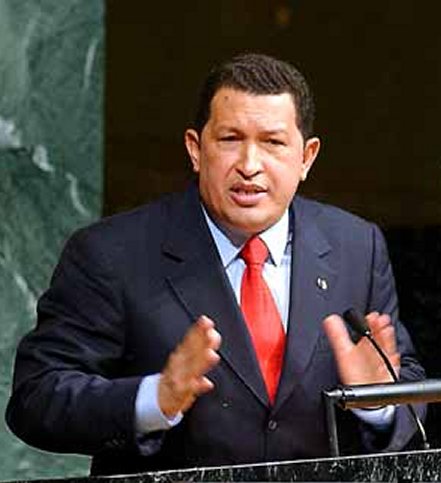
 When Venezuelan President Hugo Chavez closed the unregulated currency market in May, he seized approximately 40 brokerages. Traders and other staff found themselves unemployed. The fact is that there were charges of setting artificial rates, the scourge of capital flight and money laundering.
Chavez’s actions have forced Noris Aguirre, director at Caja Venezolana de Valores to lament that the brokerage business is in its current rate would soon be something of the past for Venezuela. Chavez has declared that Venezuela does not need companies which exploit loop-holes to enrich themselves. As a result since November Venezuela has closed 4 trading firms and seized 35% of all the trading firms.
It should be noted that the brokerage industry shot up from 2005 right up to 2010. Bond swaps were than by employers for those companies who failed to receive authorization from the government, but the bond trading rates plunged to 8.2 per dollar. Ironically, this occurred 7 days before Hugo Chavez closed the market.
On June 9 the market was re-opened and the maximum rate was set while at the same time the amount which could be purchased was limited. The average rate is now approximately 5.3 bolivars per dollar but there are also 2 official exchange rates at 4.3 for imports and 2.6 bolivars per dollar.
Meanwhile the debate continues over the job situation as Venezuela’s unemployment rate rose to 8.1% in May up from 7.7% a year earlier. Time will tell whether Chavez’s attack on brokerage firms was indeed good for the economy and the Venezuelan people.

